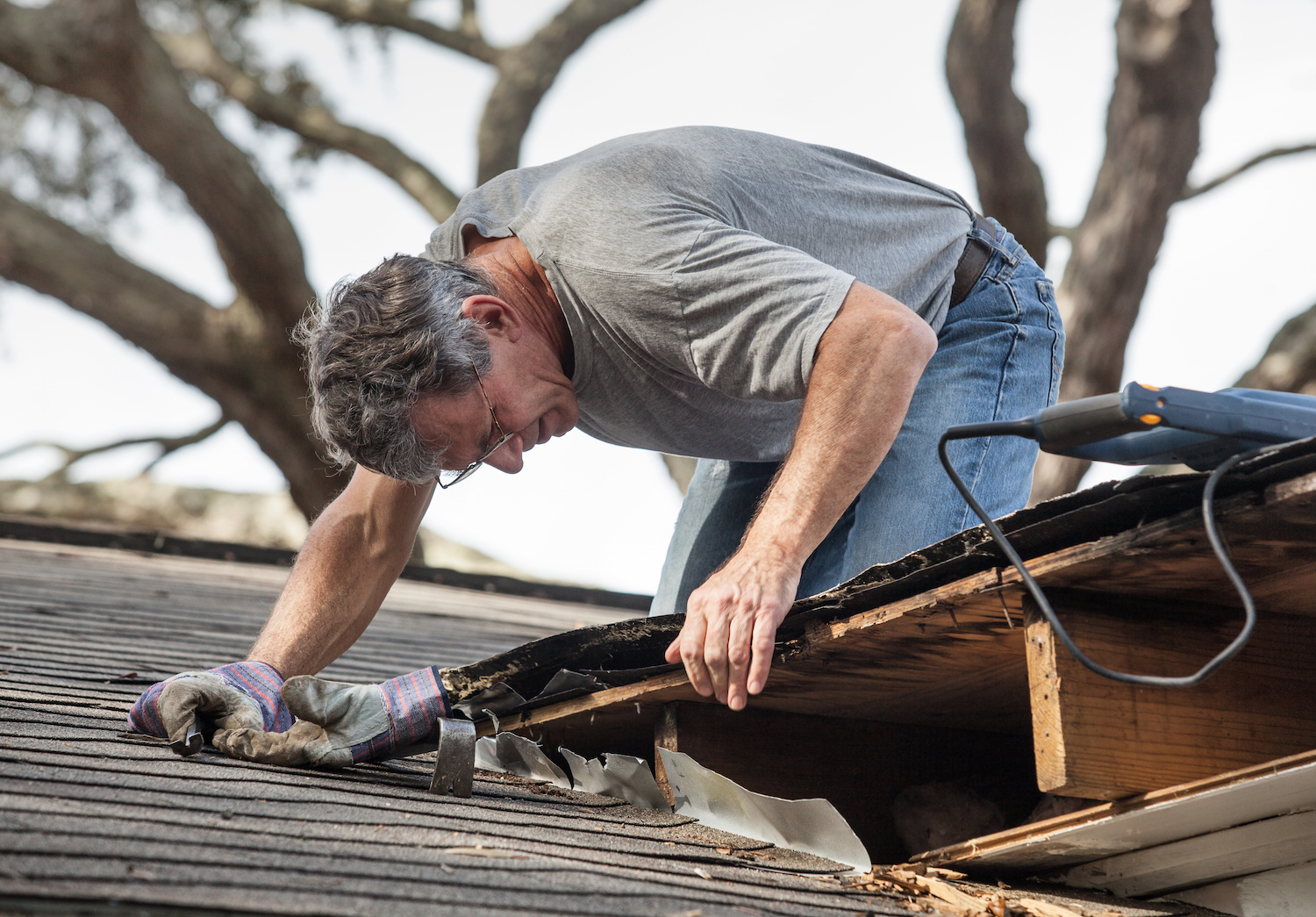

You notice it first on a fall Saturday. The sun is low, the air finally feels less like August, and you catch a line of little bumps running up a shingle course. A couple look like the shingle is tenting. Maybe there’s a tiny dimple where a nail head is pushing. You tap it with your knuckle and it sounds a bit hollow in spots.
Around here, that first cool front after months of heat does more than make the porch usable again. It changes how your roof deck behaves. The attic cools at night, the deck tightens up, then warms back up by noon. Add Gulf humidity and you get a steady cycle of swell and shrink. That movement can back fasteners out over time. One nail pop is a maintenance item. A pattern, or pops that keep coming back after a repair, usually means we need to look deeper than the shingle surface.
A nail pop is usually deck movement first, not “bad shingles”
On an asphalt shingle roof, the nail is holding the shingle to the roof deck, usually 7/16 inch OSB or 1/2 inch plywood. When that deck moves, the nail can ride with it. In a Gulf Coast climate the deck does two things that matter: it takes on moisture, and it dries out. OSB edges swell when they stay damp. Plywood can cup and relax. Neither one is a problem by itself, but the movement works the nail up and down.
We see nail pops show up hard in October and November because nights cool off quicker than the attic does. That temperature swing can be 25°F from afternoon to early morning. Add a wet week and the deck is swollen. Then a dry north wind comes through and it tightens back up. Nails that were set a hair high, or nailed into softer OSB strands, start to lift.
A single pop near a ridge vent is different than a straight line of pops across multiple slopes. The pattern tells you if it is a one-off fastener issue or deck-wide movement.
What you’ll see on the roof, and what it usually means underneath
A nail pop does not always look like a nail head sticking out. A lot of the time you see a raised shingle tab, a small blister-like bump, or a crease where the shingle is being pushed from below. On laminated shingles, the shadow line makes it easier to spot.
Here’s how we sort it out on the roof:
- Single raised spot with a clean shingle: often one nail that was overdriven, underdriven, or missed solid decking and landed in a softer area.
- A row of pops in a straight line: commonly fasteners backing out along a deck joint, especially if the panel edges were butted tight with no gap.
- Pops plus staining: if you see dark granules washed away and a brown spot, we start thinking about moisture and deck swelling. That can point to a ventilation imbalance, a small leak above, or condensation.
Underneath, we are thinking about nail length and bite. A standard shingle nail is often 1-1/4 inch. It needs solid embedment into the deck. If there’s a second layer of shingles or thicker underlayment build-up at an eave, that bite can get marginal and pops show up sooner.
Why fall cold fronts and humidity swings make fasteners back out
Fasteners back out for two reasons: the material around them moves, or the fastener never had good purchase to begin with. Fall is when both show their hand.
In our area, the deck can cycle from damp to dry fast. After a humid stretch, the underside of the deck can hold moisture, especially near the eaves and around bath fan terminations. Then we get a front that drops temps and dries the air. The deck contracts. Nails do not shrink, so the hole they are in can loosen. Once a nail has a little play, vibration and repeated movement keep walking it up.
Attic pressure changes matter too. On a windy day, a soffit-to-ridge system should keep air moving the right direction. If intake is choked off by paint, insulation, or blocked panels, the attic runs hotter and wetter. That makes the deck move more. It also makes the shingle field flex more, and that flexing is what you see as “tenting.”
This is why a quick dab of roofing cement on a popped spot is not a real fix if the cause is ongoing deck movement.
Our repair approach: reset the fastener, then seal the shingle correctly
If the shingle is still in good shape, a nail pop repair should be clean and tight. We lift the shingle carefully, not tearing the seal strip. Then we deal with the fastener.
What we do depends on what we find:
- If the nail is backed out but the deck is solid, we pull it and re-fastening goes into fresh wood. We do not just hammer the same nail back into the same wallowed-out hole.
- If the nail was set too high, we reset with the head flush. Not overdriven, not proud.
- If the deck is soft at that spot, we move the fastener to solid material or we plan a deck repair if the softness is widespread.
We use the right fastener for the job. For asphalt shingles that means galvanized roofing nails with a wide head. In high-wind detailing, correct nailing pattern matters as much as the nail itself. Most laminated shingles call for 4 nails per shingle in standard application, and 6 nails in enhanced wind zones, depending on the manufacturer’s instructions.
After the fastener is right, we reseal the shingle with asphalt roof cement where needed. You want a sealed tab before the next gust gets under it.
When nail pops keep returning, we inspect decking, underlayment, and ventilation
Repeated nail pops are the clue that the roof is moving as a system. At that point we stop treating it like a surface defect and start checking what is making the deck work so hard.
We look at decking first. On the attic side, we check for:
- Swollen OSB seams and ridges telegraphing through the shingles.
- Panel spacing. Panels should not be jammed tight. A small gap at edges helps with expansion.
- Dark staining or fuzzy wood fibers around nail points, a sign of repeated moisture.
Then we look at underlayment and the water-shedding layers. On a replacement, we want a clean, flat deck before new synthetic underlayment goes down. At the eaves, we pay attention to ice and water barrier use where it’s specified for wind-driven rain protection and leak resistance around edges and penetrations.
Ventilation is the third leg. We check intake at soffits and exhaust at ridge vents or roof vents. A common target is balanced net free area. If we see a ridge vent with almost no intake, we already know why the deck is cycling so hard. (If you want the nuts and bolts, read why roof ventilation matters for homes in Texas City.)
Nail pops can turn into leaks, but the leak path is not always where the bump is
A nail head pushing up can break the shingle’s seal, and it can create a spot where water slows down instead of shedding. That is the obvious risk. The less obvious one is the nail hole itself.
If a nail backs out enough, the shank leaves a pathway. Water does not need a wide opening. A capillary-sized gap is enough when you have wind-driven rain. That is why a roof can leak on a storm day and look fine the next morning. If you’re dealing with that right now, start with roof leak in Texas City after heavy rain, what to do first.
Leak paths also travel. Water can enter at a popped fastener and show up at a drywall seam 6 feet away. It can run along the underside of the shingle, hit a felt lap or a synthetic underlayment wrinkle, then follow a rafter line. In an attic, we trace staining uphill. We also look for rusted nail tips. Rust on the underside of deck fasteners is a giveaway for repeated wetting.
If you have nail pops near a valley, sidewall flashing, or a pipe boot, we treat it with extra respect. Those are already high-flow areas. A small defect there gets punished.
When nail pops are a sign the roof is nearing replacement time
A newer roof can get a few pops and be fine after a proper repair. An older roof with widespread pops is a different story. Once the deck holes are enlarged across a slope, you can chase pops forever.
Here’s what pushes the conversation toward replacement:
- Pops across multiple planes (front, back, and a side) instead of one small area.
- Granule loss where the shingle is getting flexed and scuffed at the raised spots.
- Brittle shingles that crack when lifted for repair. That is common once a roof has baked through multiple Texas summers.
- Decking that will not hold a fastener. If we can pull a nail and the wood fibers come out with it, that deck needs attention before any new roof goes on. (More on that here: does your Texas City roof need new decking too.)
On a full replacement, we can correct the base. That means replacing compromised decking sections, re-nailing where needed, installing new underlayment, and following manufacturer nailing patterns from starter strip to ridge. In Texas City, TX, that system approach is what keeps a roof tight through the fall fronts and the next storm season. If you’re heading that direction, it helps to know roof replacement permits in Texas City and what the inspector will check.
Key Takeaways
- Nail pops are often tied to deck expansion and contraction, especially after the first fall cold fronts.
- A straight-line pattern of pops can point to tight deck joints or movement along panel seams.
- A proper repair pulls the fastener and re-fastens into solid wood, then reseals the shingle tab.
- Repeat pops trigger a deeper check of OSB or plywood condition, underlayment condition, and intake-to-exhaust ventilation balance.
- A popped nail can leak through the nail hole itself, and the interior stain may show up feet away from the bump.
- Widespread pops plus brittle shingles or weak decking usually means it is time to talk about replacement, not spot fixes.
Conclusion
If you’re seeing a couple of bumps after the weather breaks, don’t panic. Do take it seriously. A nail pop is the roof telling you something moved, and roofs in Texas City, TX move a lot between humidity and cool nights. We can usually make a clean repair if the deck is sound and the shingles still have life in them.
If the same spots keep coming back, or the pops are spread across the whole roof, that’s where you stop patching and start diagnosing. We’ll look at the decking from the attic, check the underlayment and edge details where we can, and make sure ventilation is not cooking the deck all day and soaking it at night. Then you’ll know if you’re dealing with a handful of fasteners or the start of a bigger roof replacement decision.
References
- National Roofing Contractors Association (NRCA), the trade group that publishes installation and repair guidance for contractors
- NOAA, the federal source for weather data and storm tracking
- Owens Corning, a manufacturer site with shingle product specs and installation documents
- GAF, a manufacturer site with shingle product specs and installation documents