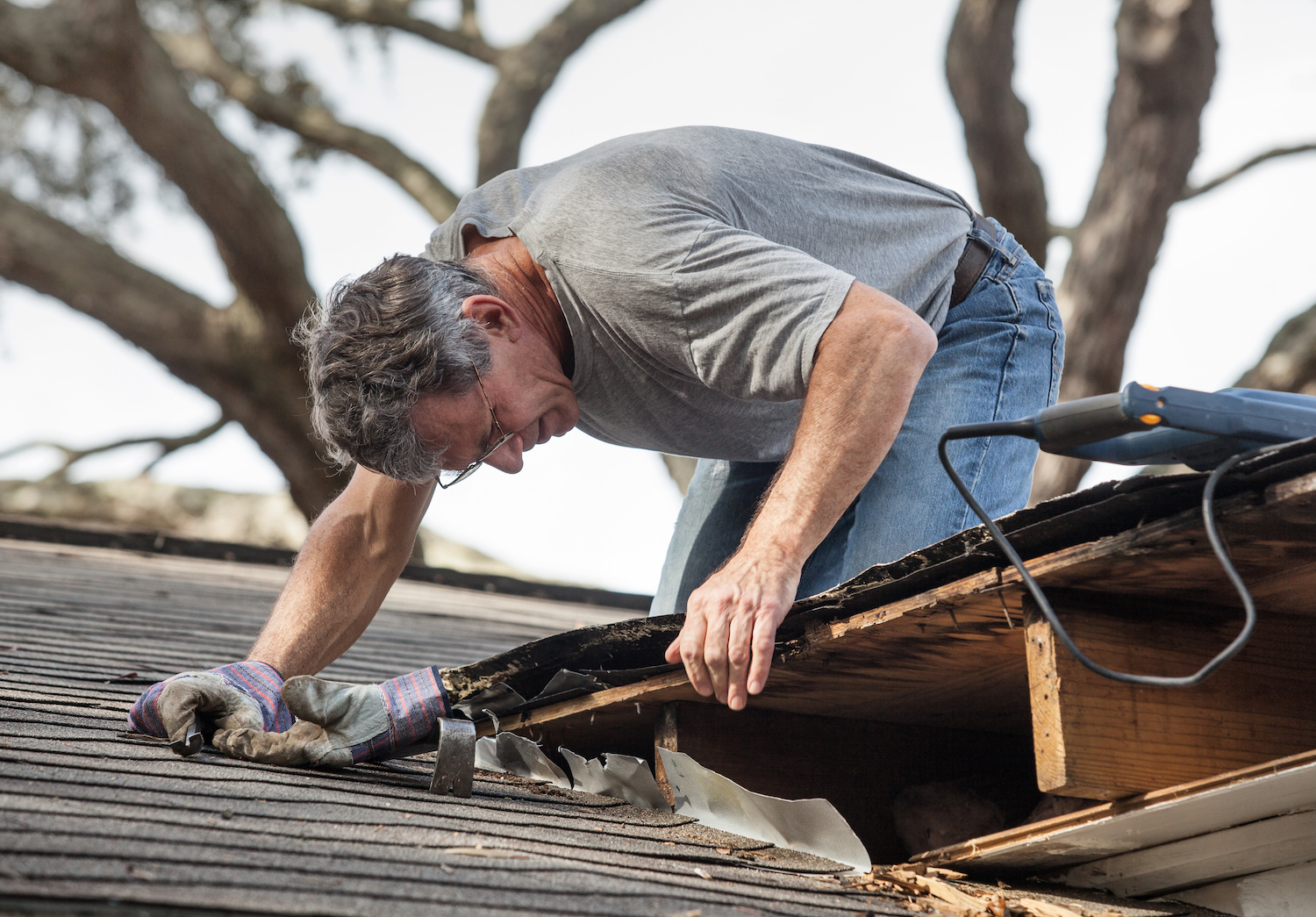


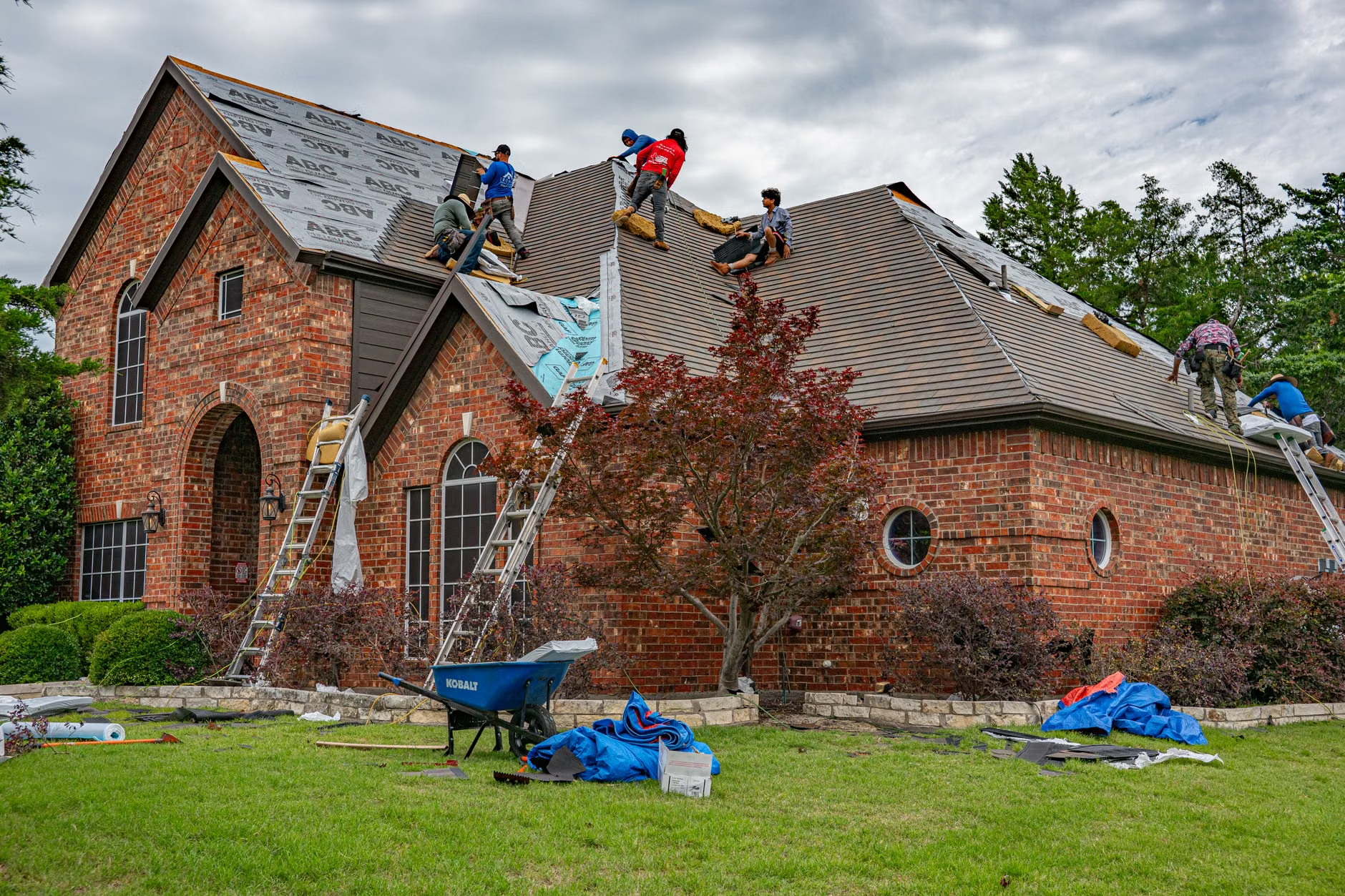
You walk outside after a hard wind and the roof sounds different. Not a leak. Not a drip. Just that slapping noise, like a playing card in bicycle spokes. From the driveway you can see a few tabs standing up, and one shingle corner that keeps catching air. If you have asphalt shingles, that lift is a water path waiting to happen. It does not take a hurricane. A steady Gulf wind can break the seal strip, flex the shingle, and start pulling nails. Once the edge is up, rain gets driven under it and the decking gets wet where you cannot see it.
The decision you need to make is simple: is this a “keep people safe and stop water today” situation, or is it “schedule an inspection and repair before the next rain” situation. Below is how we triage shingles lifting in Texas City, TX, what you can do without making it worse, and what we look for on the roof and in the attic.
Decide in 60 seconds: emergency, urgent, or can wait
Start with safety and water. If a shingle is fully loose, flapping hard, or you see pieces in the yard, treat it as urgent. Wind does not just lift one tab, it can unzip a run. Once a course starts to peel, the next gust gets under it like a pry bar.
Here is the quick sort we use.
- Emergency (today): shingles or ridge caps missing, underlayment visible, plywood decking exposed, active leak inside, or a tree limb touching the roof. If water can hit felt, synthetic underlayment, or bare OSB, it can get into nail holes fast.
- Urgent (next 24 to 72 hours): tabs lifted across a wider area, creased shingles (a sharp fold line), or you hear consistent flapping. A crease is a failure mode, the mat is damaged and it will not reseal reliably.
- Can wait a bit (still schedule it): a few corners lifted with no crease, no exposed underlayment, and no rain in the forecast for a couple days.
If you are unsure, assume urgent. Waiting for the next squall to “test it” is how small wind damage turns into wet decking.
What not to do on a windy roof, and what you can do safely
Most injuries we see happen after the storm, not during it. Wind plus a sloped roof is a bad mix. If gusts are still up, stay off the roof. Even after it calms down, asphalt granules act like ball bearings, especially on a 6/12 pitch or steeper.
Skip the usual homeowner fixes. Roofing tar smeared on tabs makes a mess, traps debris, and can telegraph through shingles when it bakes in the sun. Staples through shingles are worse. They create permanent holes and the next uplift starts at that puncture.
What you can do safely from the ground or inside:
- Walk the perimeter and look up. Use binoculars if you have them. You are looking for missing shingles, lifted ridge caps, and exposed black underlayment.
- Check the attic if you can access it. A bright flashlight shows wet plywood, dark staining, or shiny nail tips from condensation or leaks. Look around vents, valleys, and chimneys.
- Move valuables away from suspect ceiling areas. If you see a ceiling stain, put a bucket under it and poke a small drain hole in the drywall only if water is actively bulging. One 1/8 inch hole can prevent a ceiling collapse.
If you need temporary exterior protection, a properly secured tarp is the move, but it needs to be anchored without turning your roof into Swiss cheese. That is usually a crew job. (If you want the safe method, see our guide on how to tarp a roof leak.)
How wind-lift turns into leaks, and the spots that fail first
Wind damage is not random. It follows the airflow and it hits the same details over and over. Uplift starts at edges and transitions because that is where wind gets purchase.
Common leak paths we find after shingles lift:
Rakes, eaves, and the first three feet
The perimeter is the weak ring. If the drip edge is bent up or the starter strip is compromised, wind gets under the first course. On asphalt shingles, the seal strip is supposed to bond tab to tab. Once it breaks, water can run sideways under the shingle.
Hips, ridges, and ridge vent caps
Ridge caps are smaller pieces with more cut edges. If nails are high or the cap is overdriven, the wind can pop it. On ridge vents, we check that the cap shingles cover the vent flange and that nails hit solid decking, not just plastic.
Valleys and step flashing lines
Valleys funnel water. If a lifted shingle edge sits near a valley metal, water gets driven under the shingle and into the nail line. Around walls and chimneys, step flashing relies on each shingle course laying flat. Lift that course and you open a capillary path.
This is why we treat “just a few lifted tabs” seriously. The water does not have to travel far to find a nail hole. If you are seeing leaks after gusty weather, this ties in with wind driven rain roof leaks in Texas City TX.
Temporary protection that works, without creating new damage
Temporary protection has one job: keep bulk water out until we can do a proper repair. The wrong temporary fix adds holes, traps water, or rips off more shingles in the next wind.
For short-term coverage, we use heavy-duty tarps and 1x wood battens to spread the load. The tarp gets laid so water sheds downhill, then the top edge is wrapped over a batten and fastened where fasteners can be sealed later. We avoid peppering the field of the roof with nails.
If the problem is a lifted tab, not missing shingles, we do not “glue the whole roof.” We lift carefully, clean out grit, and use a small amount of asphalt roofing cement under the tab only where it belongs. Then we hand-press it and, if conditions allow, weight it temporarily so it can set. Sealant does not cure right if the shingle surface is wet, dusty, or cold from a rain-cooled roof.
Inside the attic, temporary protection is about limiting damage. A plastic sheet stapled to rafters can direct drips into a bucket. Keep it loose enough to form a channel. Do not wrap insulation tight against wet decking. That holds moisture against OSB and can swell it.
Temporary measures are a bridge, not a repair. If shingles are creased or missing, they need replacement, not glue.
What we inspect on-site for shingles lifting, and what the photos should show
A real inspection is not one picture from the street. We are looking for the cause, not just the symptom, so it does not happen again on the next front.
On the roof, we check:
- Seal strip bond and adhesion breaks. If the seal line is dusty, algae-coated, or never bonded, tabs will lift easier.
- Nail placement. For most laminated shingles, nails belong in the manufacturer’s nail zone, not high above it. High nailing leaves too little shingle held down.
- Fastener type and bite. We look for roofing nails with proper head diameter, not staples. We also look for nails that missed decking, especially near hips and ridges.
- Decking condition. Soft spots, edge swell on OSB, and delamination on plywood. We probe gently. A spongy feel usually means water has been there more than one rain. If you are wondering how often wind and leaks turn into a bigger scope, read does your Texas City roof need new decking too.
- Flashing details. Step flashing at walls, pipe boots at penetrations, valley metal laps. A lifted shingle next to flashing is a known leak starter.
If you are documenting for a claim, photos need to be sharp and close enough to show the crease, the lifted edge, and the surrounding field. One wide shot to prove location, then close-ups. A ruler or tape measure in the frame helps show the size of the lifted area. Do not climb up there just for photos if you are not steady on a ladder.
Repair vs replacement: what makes a lifted shingle fixable
Not every lifted shingle means a full roof replacement. Some repairs hold for years. Some do not, and it comes down to what the wind did to the shingle and what the roof looks like as a system.
A shingle is usually repairable if:
- The tab is lifted but not creased.
- The granule loss is minor, not bare fiberglass mat showing.
- The nails are still tight in solid decking, not pulled up.
- The surrounding shingles are laying flat and bonded.
We lean toward section replacement or larger scope if:
- You see a hard crease line across multiple shingles. That is a structural break.
- Shingles are brittle, cracking at the corners when lifted. That often shows up on roofs past 15 to 20 years in Gulf sun.
- The damage is spread across multiple slopes, especially the windward side.
- There are repeated repairs in the same area, which usually means a detail issue like starter strip, drip edge, or ventilation imbalance. (If you want the deeper why, see why roof ventilation matters for homes in Texas City.)
If we end up recommending roof replacement, it is because repairs will keep chasing the same failure mode. We would rather fix the root detail once than keep patching after every windy night. If replacement is on the table, permits and inspections matter, here is what to expect with roof replacement permits in Texas City and what the inspector will check.
After the wind: the 7-day watch list inside the house
Even after we secure the roof, we tell homeowners to keep an eye on a few spots for a week. Water does not always show up the same day. It can wick along a rafter, soak insulation, then stain drywall later.
Use this watch list:
- Ceilings under valleys and around chimneys. Look for a yellow-brown ring that grows over days.
- Around bathroom fans and roof vents. If a pipe boot split or a vent cap lifted, leaks show up as damp drywall circles.
- Attic smell. A musty odor 48 to 72 hours after rain is a sign insulation stayed wet.
- HVAC registers and returns. In humid weather, wet insulation can add moisture to conditioned air and you notice it as clammy rooms. (Humidity is its own problem down here, this ties into handling humidity: how Texas City’s climate affects your roof.)
- Gutters and downspouts. After wind, shingle granules often wash down. Heavy granules in downspout elbows can clog and cause overflow at the eaves.
If you find wet insulation, do not just push it aside and forget it. Fiberglass batts lose performance when soaked, and wet wood stays wet longer in a closed attic. Drying and cleanup matters as much as the shingle repair.
For homeowners dealing with shingles lifting Texas City TX after a storm line, the right move is fast triage, safe temporary protection, then a roof-level inspection that looks at fasteners, seal strips, and flashing, not just the obvious flap. If water is already getting in, start here: roof leak in Texas City after heavy rain, what to do first.
Key Takeaways
- A sharp crease in a lifted shingle is a failure, it rarely reseals reliably.
- Missing shingles or exposed underlayment is a same-day water risk, treat it as urgent.
- Roofing tar smeared on top of shingles and staples through tabs usually create new leak points.
- Wind damage starts at edges, ridges, and around flashing, that is where inspections need to focus.
- Photos for documentation should include one location shot and close-ups showing the lifted edge and surrounding field, a ruler in-frame helps.
Conclusion
If shingles are lifting or flapping, assume the roof is telling you something before it starts dripping. The goal is not to guess from the driveway, it is to stop water entry and keep people off a dangerous surface. If you have exposed underlayment, missing caps, or anything that looks peeled back, get it secured fast and do not wait for the next rain band to prove the point.
Our crews handle wind calls in Texas City with a simple order of operations: make it safe, dry it in, then figure out why it lifted so the repair holds. If you want us to take a look, we will document what we see, walk you through the options, and leave you with a clear plan for the next storm cycle.
References
- OSHA: fall protection guidance and why you should stay off a windy roof
- National Roofing Contractors Association: guidance on asphalt roofing cement, and why smearing tar on shingle tabs causes problems
- NOAA: weather and wind information for the Gulf Coast
- Owens Corning: asphalt shingle product and installation information