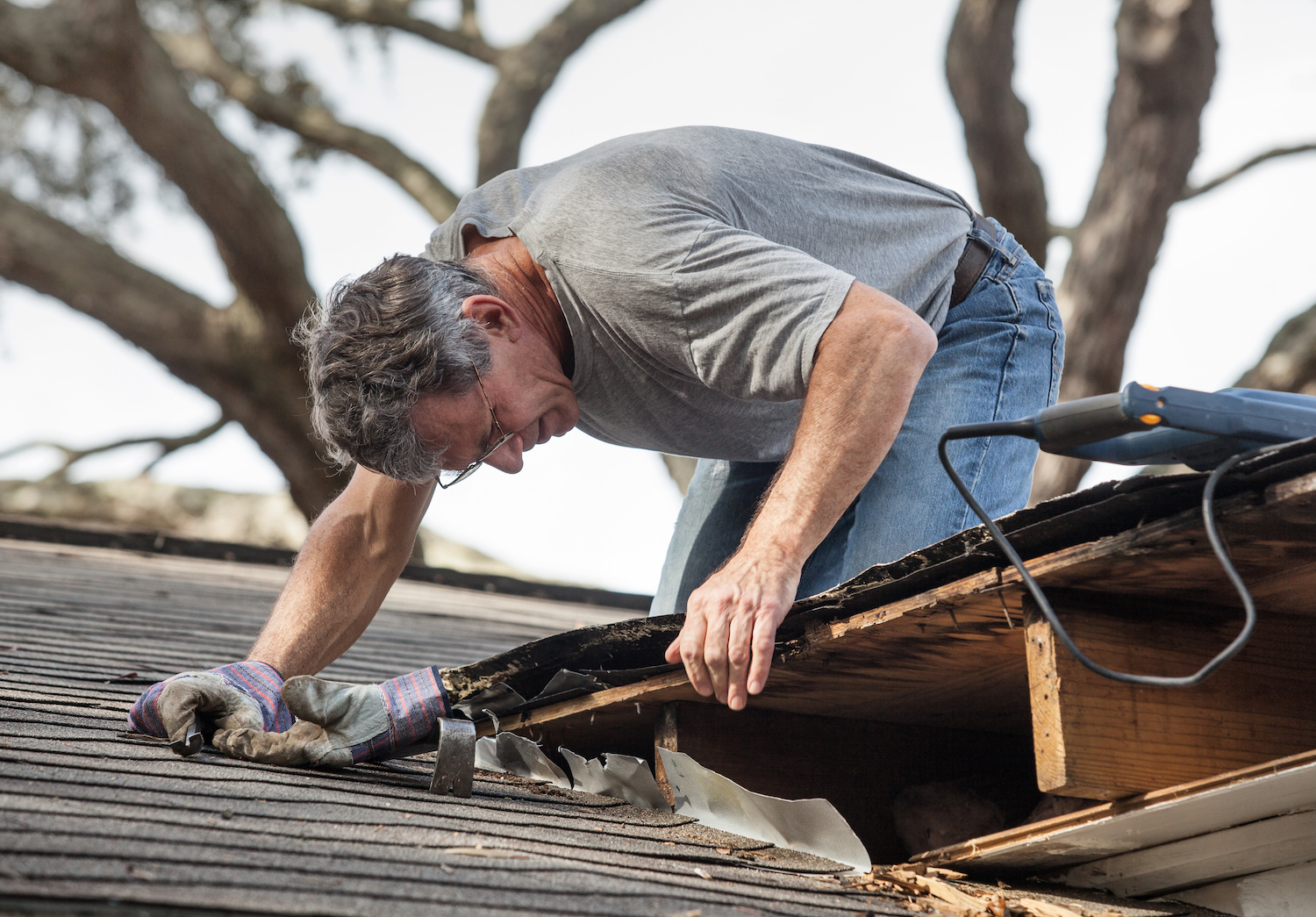


You notice it on a regular Gulf Coast afternoon. The AC is running, the attic feels like an oven, and the next thing you hear is that slow drip that never seems to land in the same spot twice. Or you see a shingle tab lifting along the ridge after a windy night, then the forecast turns into three days of scattered showers.
Roof replacement here is less about picking a date off a calendar and more about working inside weather windows. We plan tear-off, dry-in, and final install by watching rain chances, the heat index, and how deep we are into hurricane season. That means thinking about how fast we can get peel-and-stick down, how we protect open decking, and how we keep shingles sealing when the sun is cooking them.
If you’re trying to figure out the best time to replace roof Texas City TX, here’s how we schedule it season by season, and what we do on our end so your house is not sitting exposed waiting on the next band of rain.
Spring: reliable workdays, but pop-up storms change the plan fast
Spring is one of the smoother seasons to schedule a replacement because temperatures are usually in a range where crews can move steadily and shingles seal without fighting extreme heat. The catch is the Gulf pattern, you can wake up to a clear morning and still get a quick downpour by mid-afternoon.
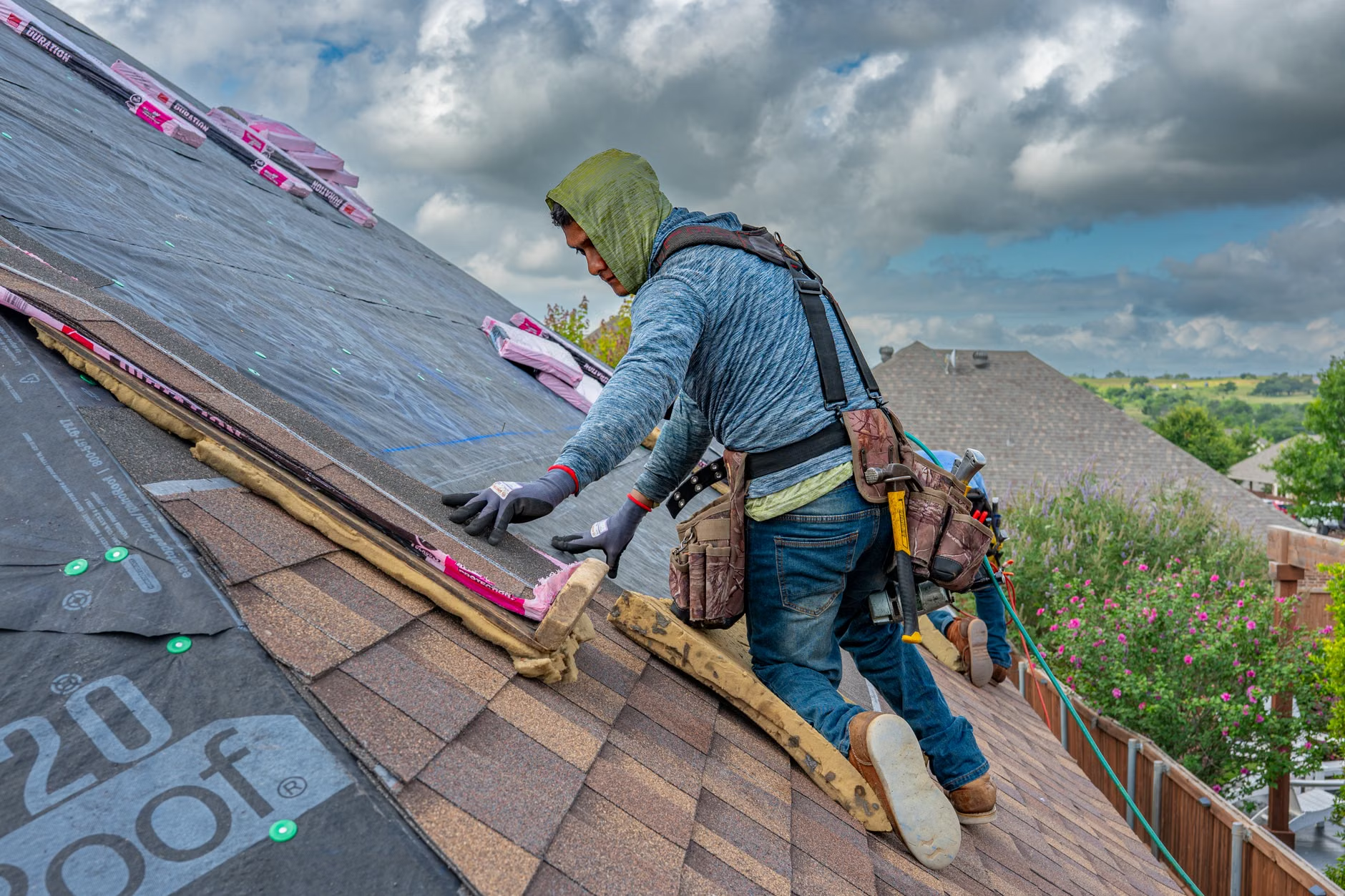
We plan spring tear-offs with a hard stop time. We do not start tearing until we know we can get the roof dried-in before we head out for the day. “Dried-in” means the deck is covered with a rated underlayment and the eaves and valleys are protected. On most replacements we use a self-adhered ice and water style membrane at valleys and penetrations (peel-and-stick) and a synthetic underlayment across the field. That combination buys you real protection if a shower hits before shingles are back on.
Spring is also when we see a lot of small leaks show up from winter wind-driven rain. If the decking is soft, we replace it with matching thickness, typically 7/16 inch OSB or 1/2 inch plywood depending on what’s there, and we re-nail to proper spacing so the new roof is not relying on questionable wood.
Summer: heat management, faster dry-in, and sealing shingles the right way
Summer works, but it has to be run like a jobsite, not a casual appointment. On a Texas Coast roof, surface temps can climb well past 140°F even when the air temperature is lower. That heat affects people, materials, and the schedule.
We start early. We stage materials so bundles are not baking on the ridge all day, and we keep the tear-off tight so the deck is exposed for the shortest time possible. Summer is actually good for dry-in because the deck is typically dry and underlayment lays flat. It is also good for shingle sealing, but only if the shingles are installed clean. Dust on the seal strip, overdriven nails, or lifted tabs from sloppy handling can keep a laminated shingle from bonding like it should.
Ventilation matters more in summer replacements. We check intake at the soffits and exhaust at the ridge. A common target is balanced airflow, not “more holes.” If we cut a ridge vent, we follow the manufacturer’s cut width for that vent and keep the slot back from the ridge ends so it does not turn into a wind-driven rain entry point. If you want the deeper why behind that, read why roof ventilation matters for homes in Texas City.
Fall: the sweet spot for scheduling before winter fronts and holiday delays
Fall is the season many homeowners aim for because it’s usually less punishing heat, fewer daily pop-up storms, and a calmer stretch for crews to work a full day without stopping and starting. The days get shorter, though, and that changes how we plan a tear-off.
We look at daylight and we plan the roof in sections so we can finish watertight each day. If a roof is complex, multiple ridges, dormers, a lot of pipe penetrations, we will not open up more than we can cover and flash correctly before dusk. Flashing is where fall replacements win or lose. We replace step flashing where walls meet rooflines, we install new pipe boots sized to the vent stack (common sizes are 1.5 inch to 3 inch), and we seal exposed fasteners with the right roofing sealant, not leftover caulk.
Fall is also a good time to address gutters while access is easy. New drip edge, properly lapped at corners, sets the roof up to shed water into the gutter instead of behind it. If you have fascia rot, this is when we want to catch it. Rotten fascia does not hold gutter hangers, and gutters that sag dump water right where you do not want it. If you’re doing this yourself, start with best ways to clean gutters safely.
Winter: fewer storms some weeks, tougher details on cold snaps and wet decks
Winter on the Gulf is not a frozen-roof problem most years, but it brings its own issues. You get strong fronts, wind shifts, and cold snaps that can make materials less flexible. Shingles can be stiffer, and sealing can take longer if temperatures stay low.
We adjust the install details to the conditions. If the deck is damp from overnight dew or a passing shower, we do not bury moisture under underlayment. Trapped moisture can swell OSB edges and telegraph through shingles later. We wait for the deck to dry, or we work in areas that are dry first.
On colder days, we pay attention to nail placement and shingle handling. Laminated shingles have a defined nailing zone, and you hit it every time so the layers lock together. We also make sure starter strip is installed correctly at the eaves and rakes. Starters are not optional. They seal the first course and help with wind resistance.
Winter is also a good time for repairs tied to storm damage documentation. If you’re working with insurance, clear photos of creased shingles, missing tabs, and damaged flashing taken before tear-off make the process smoother.
Hurricane season planning: schedule early, and do not gamble with an open roof
Hurricane season is not a reason to ignore a worn roof, it’s a reason to schedule smart. The worst move is starting a replacement with a tropical system in the forecast, then getting stuck with exposed decking and a wall of rain.
We watch forecast trends and we build a buffer. If a roof is already failing, we focus first on getting it watertight: dry-in is the priority. That means underlayment installed tight, valleys protected with self-adhered membrane, and all edges locked down with drip edge and cap fasteners where required. If we need to pause for weather, a properly dried-in roof can handle rain far better than a half-shingled one.
Wind is the other half of hurricane prep. We follow the shingle manufacturer’s nailing requirements for the wind rating, including the correct number of nails per shingle and the right nail type. We use roofing nails with adequate head size and penetration into decking, not staples.
If you’re in Texas City, TX and you’re trying to beat the peak of storm season, earlier scheduling gives you more flexibility. Crews get booked up quickly after a named storm, and material lead times can change overnight. If you want the nuts and bolts, here’s our page on protecting roofs against hurricane damage in Texas City.
Rain windows and dry-in: how we time tear-off so your home stays protected
This is the part homeowners care about most, and for good reason. Nobody wants their living room ceiling under a tarp. The way to avoid that is planning the sequence, not hoping the radar stays green.
We schedule tear-off around the most stable window we can get, then we move fast to dry-in. Dry-in is not “throw some felt down.” We use synthetic underlayment because it lays flatter, resists tearing better than basic felt, and handles foot traffic. At valleys, around chimneys, and at wall transitions we use a self-adhered membrane so water cannot track under laps.
We also pay attention to penetrations. Pipe boots get replaced, not re-used. If there are attic fan curbs, skylights, or B-vent flashings, we inspect the metal and replace what’s compromised. A pinhole in a flashing can leak for months before you see it.
If we see bad decking, we fix it before it becomes a fastener problem. Nails do not hold in spongy wood. A roof is only as good as what it’s nailed to.
Scheduling with insurance and gutters: line up the paperwork and the water control
A lot of replacements here are tied to storm damage and insurance claims. That adds steps, and those steps affect timing.
We document the roof before we touch it. Photos of slopes, ridges, soft metal hits, torn shingles, and interior staining help support what’s already happening. Once tear-off starts, the evidence is gone. If an adjuster visit is pending, we plan around it so you are not stuck waiting with a compromised roof. If you’re in that spot right now, start with what to do after storm damage.
Gutters tie into roof timing too. If gutters are being replaced, we coordinate drip edge, fascia condition, and downspout placement. Water control is simple physics. If the gutter line is wrong, water runs behind the gutter, soaks the fascia, and you end up with rot and staining. We make sure drip edge is installed with the right overlap and that the underlayment laps correctly over it at the eaves.
If you’re updating ventilation or adding bathroom fan exhausts, that is also best done during replacement. New penetrations need proper flashing, and it’s cleaner to do it while the roof is open.
Key Takeaways
- Spring and fall usually give the steadiest workdays, but we still plan every tear-off around same-day dry-in.
- Summer installs move fast, but we manage heat, staging, and shingle sealing so tabs bond instead of lifting later.
- Winter replacements work fine if the decking is kept dry and shingles are handled and nailed to spec on cold snaps.
- Hurricane season means tighter scheduling, we do not start a tear-off with a tropical system trending toward the Gulf.
- Proper dry-in uses synthetic underlayment plus self-adhered membrane at valleys and penetrations, not just basic felt.
- Gutters, drip edge, and flashing details are easiest to correct during replacement, while everything is accessible.
Conclusion
The best replacement date is the one where we can strip what needs to come off, fix the deck if it’s soft, and get you dried-in before the weather shifts. Everything else is secondary. On the Gulf Coast, the forecast is part of the job, so we schedule with a buffer, we stage materials, and we keep the roof watertight at the end of every day.
If you’re looking at curled shingles, recurring leaks, or you know the roof is past its service life, get us out to take a look. We’ll walk the roof, check the flashings and decking, and give you a plan that fits your house and the season you’re in.
External references
- We plan the job around the weather, we check rain chances, the heat index, and hurricane season updates here: National Hurricane Center (NOAA)
- We do not start tearing until we know we can get the roof dried-in before we leave for the day, this is the standard we follow: NRCA
- If we cut a ridge vent, we follow the manufacturer’s cut width for that vent: GAF