


Texas City, TX, isn’t just about high temperatures. The persistent humidity here can be a silent enemy to your roof. Imagine coming home to find water stains spreading across your ceiling. That’s a sign of roof trouble, often worsened by humidity. Roofs here face the unique challenge of staying durable in a damp environment. Once moisture seeps in, it can lead to mold, rot, and premature aging of roofing materials. Asphalt shingles might age faster, wood can warp, and even metal isn’t immune to corrosion. This doesn’t mean you’re helpless. Knowing how humidity affects your roof and taking action with regular maintenance can save you from costly repairs and extend your roof’s life.
Understanding Humidity’s Impact on Roofing Materials
Humidity in Texas City doesn’t just make the air feel sticky. It has real effects on the materials of your roof. Asphalt shingles, common in many homes, can absorb moisture over time. When this happens, they might swell or blister, reducing effectiveness. Wood shakes or shingles face similar issues: they can warp and rot when constantly exposed to damp air. Even metal roofs, known for their durability, can suffer under high humidity. Corrosion becomes a risk, especially if the coating wears thin. Clay tiles, however, handle humidity better, thanks to their density. Still, the underlayment beneath can trap moisture, so proper ventilation is key. Knowing how each material reacts helps in choosing the best fit and maintaining it against humidity.
The Role of Roof Ventilation
Ventilation plays a critical role in handling Texas City’s humid climate. Without proper airflow, trapped moisture can lead to mold growth and decay in your roof structure. Ridge vents combined with soffit vents can be effective. They create a constant flow of air, reducing humidity levels inside your attic. This setup helps in maintaining the temperature, preventing the extreme heat and dampness typical in Texas City summers from wreaking havoc. Ensuring your attic insulation isn’t blocking these vents is also crucial. Good ventilation not only extends the life of your shingles but also reduces energy bills by keeping your home cooler.
Regular Roof Inspections: A Must
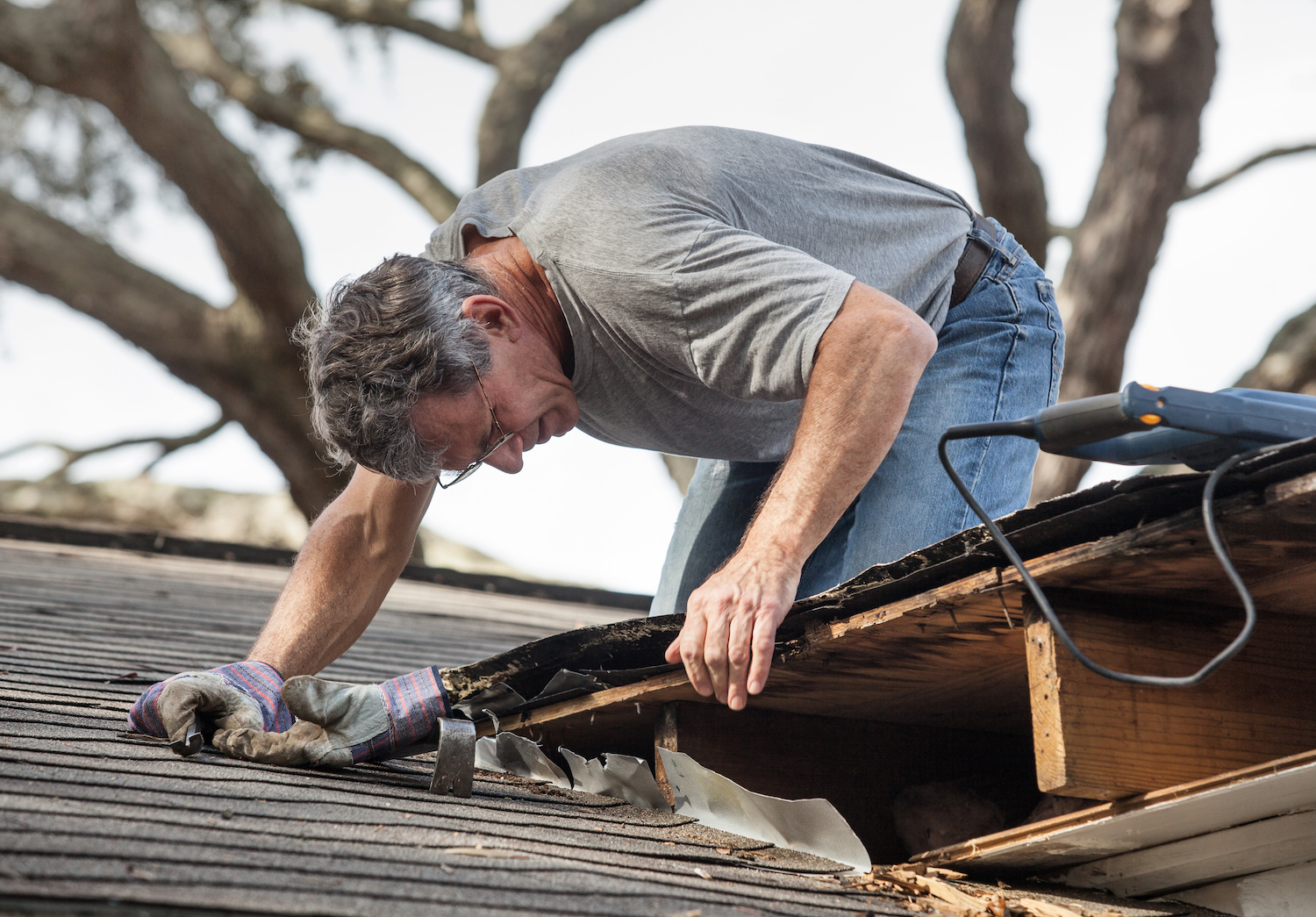
Regular inspections are a homeowner’s best tool in fighting humidity damage. Scheduling a check at least twice a year, preferably before and after the damp spring and summer seasons, can uncover issues like loose shingles, damaged flashing, or signs of mold that thrive in humid conditions. During an inspection, pay attention to the attic as well. Look for signs of dampness or mold, which indicate ventilation problems. A professional can spot subtle signs that a DIY eye might miss, like small leaks or weak spots that need immediate repair. Early detection is key: it prevents minor issues from becoming major, costly repairs.
Moisture Barriers: An Added Layer of Protection
Installing a moisture barrier is a proactive way to protect roofs from humidity. These barriers are placed underneath shingles or tiles during installation. They act as an additional layer that repels water, preventing it from seeping into the roof deck. For homes in Texas City, TX, where humidity is relentless, this can mean the difference between a roof that lasts and one that doesn’t. Moisture barriers are particularly essential if you have a low-slope roof, where water runoff is naturally slower. With this added layer, your roof stands a better chance against the persistent moisture here.
Dealing with Mold and Mildew
Mold and mildew are common in humid climates like Texas City. They not only damage your roof but also affect indoor air quality. Signs include dark streaks or patches on shingles and a musty smell in the attic. Treating mold involves cleaning the affected areas with a mixture of water and bleach or specialized roof cleaning products. It’s crucial to address the root cause: often poor ventilation or leaks. In severe cases, replacing affected materials might be necessary. Regular cleaning and ensuring your roof is dry are preventive measures that can keep mold at bay.
Choosing the Right Roof Coatings
Using the right roof coatings can combat humidity effects. Elastomeric coatings, for example, provide a waterproof seal and reflect sunlight, reducing heat absorption. Acrylic coatings are another option: they are UV-resistant and help in maintaining the roof’s surface temperature, preventing thermal shock. These coatings not only protect against moisture but also improve energy efficiency by keeping your home cooler. They must be applied correctly and regularly maintained to offer the best protection. A well-coated roof is an excellent line of defense against the relentless Texas City humidity.
Importance of Timing Your Roof Maintenance
When you choose to maintain your roof is almost as important as how you maintain it. The seasons in Texas City have their own impact. Spring and fall are ideal for inspections and maintenance. In spring, you check for damage after winter and prepare for the summer heat and humidity. Fall maintenance preps your roof to handle winter storms. Picking the right time helps in identifying different seasonal stress points, ensuring that your roof stays intact throughout the year.
Understanding Material Lifespan in Humid Conditions
Knowing how long different roofing materials can last under Texas City’s humidity is crucial for planning. Asphalt shingles, under ideal conditions, can last 20-25 years, but humidity can shave off several years. Wood shingles might last 15-20 years if well-maintained, but humidity accelerates decay. Metal roofs, despite their susceptibility to corrosion, can last over 40 years if the right coatings are applied and maintained. Clay tiles are durable, often surpassing 50 years, but the underlayment’s lifespan is less, requiring earlier attention.
How to Talk to Your Contractor
When you’re ready to tackle your roof’s humidity issues, it’s important to know what to ask your contractor. Start by asking about their experience with roofing in humid climates. Inquire about the types of materials they recommend and why. Discuss ventilation options and how they plan to address potential mold issues. Ask about moisture barriers and their benefits for your specific roof type. Finally, talk about maintenance routines and what you can do to extend your roof’s life.
Compliance with Local Building Codes
Navigating local building codes is essential when dealing with your roof in Texas City. Humidity influences these codes, and you want to ensure any work complies. Codes often specify ventilation requirements, underlayment standards, and flashing details for humid climates. Ensuring your contractor understands and follows these codes is crucial. It’s not just about passing inspection: compliance helps your roof perform better and last longer. Familiarize yourself with local requirements, and ask your contractor how they plan to meet them. Being code-compliant protects your investment and ensures safety.
Seasonal Challenges: What Each Month Brings
Every season throws different challenges at your roof in Texas City. In winter, it’s less about humidity and more about storm damage: wind can loosen shingles and flashing. Spring rains increase humidity levels, testing your roof’s moisture barriers. Summer brings relentless heat and humidity, pushing your ventilation to its limits. Fall is time to clear debris and prepare for winter rains. Knowing what each season brings can guide your maintenance. Address issues specific to each time of year and your roof will handle Texas City’s climate better.
Key Takeaways
- Humidity can shorten the lifespan of asphalt shingles and wood.
- Proper ventilation mitigates mold and reduces attic temperatures.
- Regular inspections catch humidity damage early.
- Moisture barriers add crucial protection beneath roofing materials.
- Using the right roof coatings enhances waterproofing and energy efficiency.
- Timing maintenance by season can prevent problems.
- Understanding material lifespan helps in planning repairs.
- Knowing what to ask a contractor ensures you’re prepared.
- Compliance with local codes protects your roof’s performance and safety.
- Each season brings unique challenges requiring specific maintenance.
Conclusion
Humidity’s no friend to your roof. In Texas City, with our sticky climate, staying vigilant is key. Inspecting regularly, investing in moisture barriers, and ensuring proper ventilation can be the difference between a roof that lasts and one that doesn’t. Take action now, and you’ll save yourself the stress of premature roof replacement. Get your roof checked, know what you’ve got, and make the necessary updates. Better to stay ahead than to deal with the damage after it’s happened.