

You can stand in the driveway and the roof looks fine. Shingles laying flat, no missing tabs, maybe a little granule wash in the gutters. Then we get one of those Gulf downpours where the rain comes in sideways, and you notice a brown ring on the ceiling that was not there last week. Or the bathroom fan starts dripping. A lot of homeowners in Texas City, TX assume that means “a couple shingles” or “some flashing.” Sometimes it does.
But plenty of the calls we run are really about what is underneath the shingles. The roof deck, the nails holding everything down, and the underlayment that is supposed to keep water out when wind-driven rain gets under the roof covering. If any of that layer cake is soft, swollen, or fastened wrong, a new shingle roof on top is like putting fresh paint on rotten trim. It looks good until it does not.
Decking is structural, not cosmetic, and it fails in specific ways
Roof decking is usually plywood or OSB (oriented strand board) nailed to rafters or trusses. On most homes we see, it is 7/16 inch OSB or 1/2 inch plywood. It is not there to “back up” shingles. It is the base that takes foot traffic, holds nails, and ties the roof framing together.
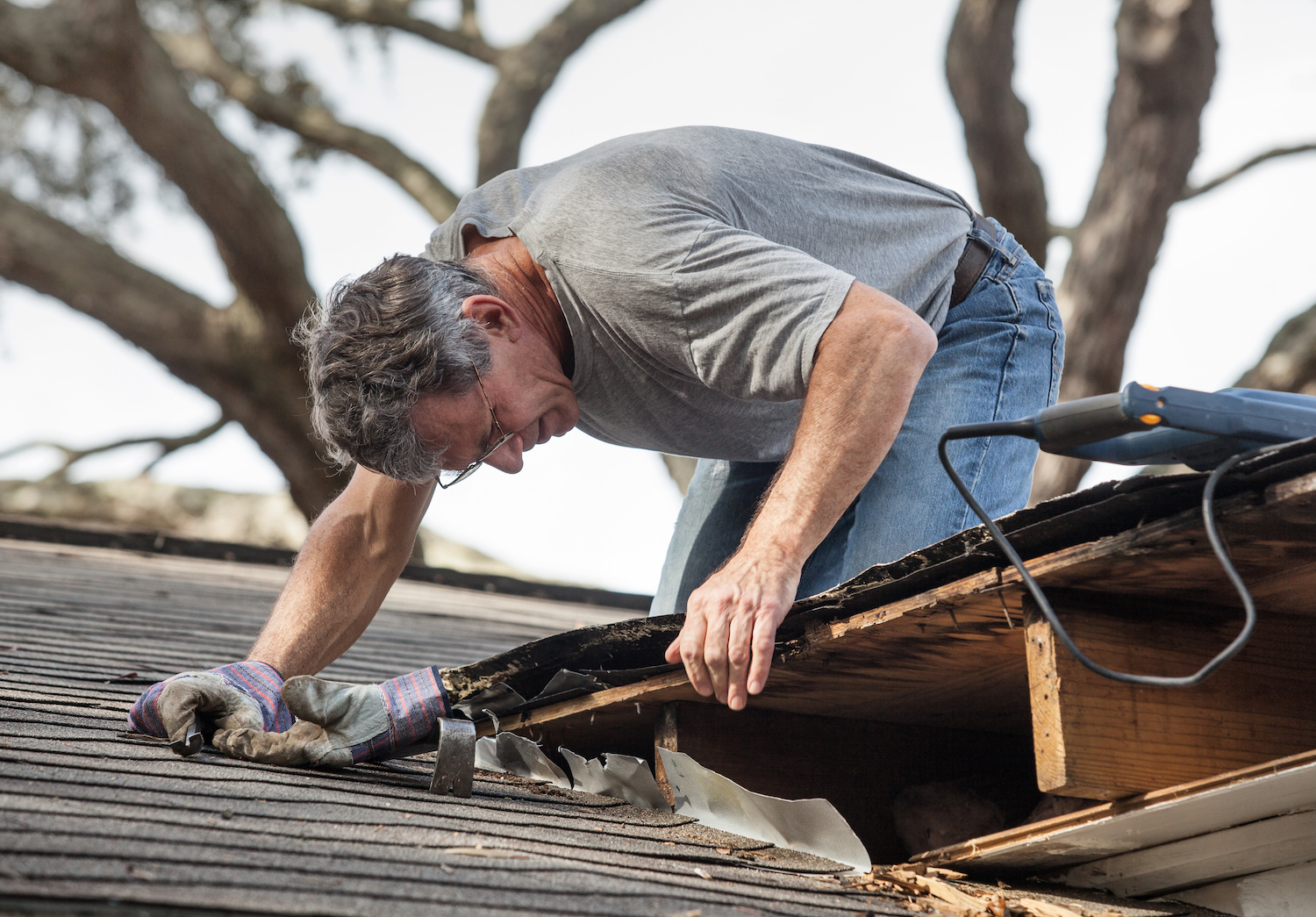
Decking problems show up in patterns. One is spongy spots between rafters, especially near valleys and around plumbing vents. Another is edge swell, where OSB puffs up at the seams and you can see a ridge telegraphing through the shingles. We also find delamination on older plywood where the plies start separating after repeated wetting.
A roof can leak without bad decking. A roof can also have bad decking without an obvious leak yet. If the deck is soft, fasteners do not bite the way they should. That matters in high wind. The shingle might be rated for the wind, but the nail still needs solid wood.
Gulf humidity and storm-driven water: why the deck gets wet without a “hole”
A lot of deck damage is not from one dramatic event. It is from repeated wetting, slow drying, then wetting again. In our area the air stays heavy, and drying times stretch out. When the deck stays damp, OSB takes on water at the edges first. Those edges swell, the seams rise, and the underlayment gets stressed.
Wind-driven rain is the other big one. Water does not need a missing shingle to get in. It can push up under shingle edges, especially on the lower courses at the eaves, and it can get forced into valleys and sidewall transitions. If the underlayment is worn, torn, or full of nail holes that have “wallowed out,” water finds the deck. (wind-driven rain)
Ventilation plays into this too. A common setup is soffit intake with a ridge vent exhaust. If the intake is blocked by insulation or the ridge vent is undersized, the attic runs hotter and wetter. Warm, moist air condenses on cooler roof sheathing when the weather swings. That shows up as dark staining and a fuzzy look on the underside of the deck, usually between rafters. (why roof ventilation matters)
What we look for during tear-off to decide on roof decking replacement
You cannot judge decking by looking at shingles from the yard. The real answers show up when the roof is opened. During tear-off we check the deck with our feet and our hands, and we look at the fasteners and seams.
Here are the big tells that point toward roof decking replacement Texas City TX homeowners end up needing:
- Soft spots: If the deck flexes under a 200 pound installer, it is not sound. We probe suspicious areas with a flat bar or screwdriver.
- Edge swell at seams: Raised joints, especially on OSB, usually mean the panel has been wet more than once.
- Dark staining and rot: Black staining does not always mean rot, but punky wood that crumbles does.
- H-clips or no clips: Many decks are installed with H-clips between rafters to support panel edges. Missing support can lead to sagging and cracked shingles.
- Bad nailing: Overdriven nails, nail heads pulled through old felt, and nails that missed rafters all tell us the deck has been moving.
We also check for code-related details like proper panel spacing. Wood panels need a small gap at edges to allow expansion. Tight-butted sheets are a common reason seams heave.
Fasteners matter: the wrong nail can make good decking act bad
Homeowners do not see fasteners, but we do. A roof system is only as strong as what holds it down. If the deck is solid but the wrong nails were used, you still get movement, blow-offs, and leaks.
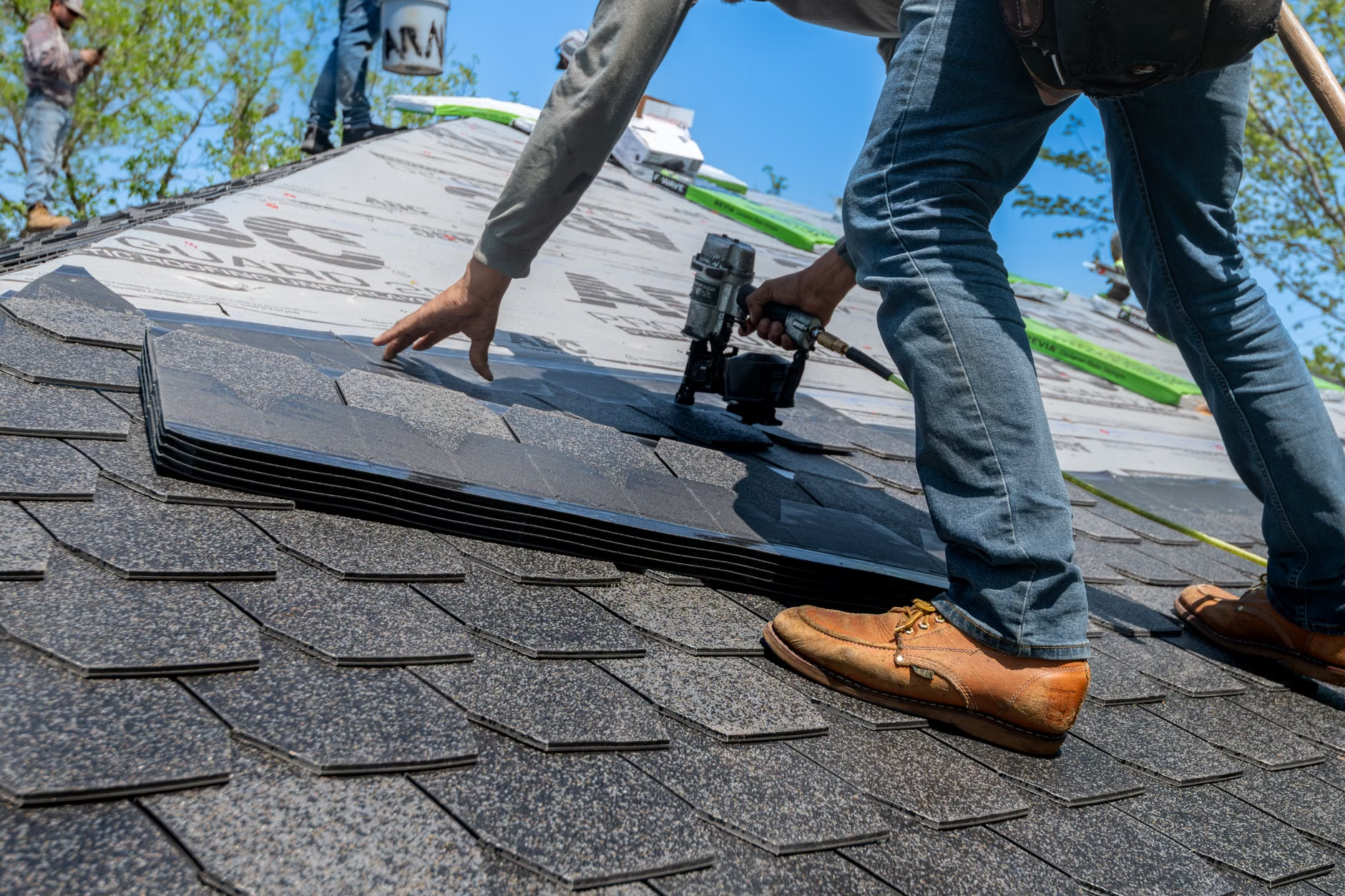
Shingles typically require roofing nails with a minimum 3/8 inch head. Length depends on what is under them. The nail needs to go through the shingle, through the underlayment, and into the decking with enough penetration to hold. If the deck is thicker, or there are multiple layers, short nails can barely bite.
We also run into staples on older roofs. Staples were common years ago, but they do not resist uplift the way nails do, especially after the deck has seen a few wet seasons. Another issue is overdriven nails. If the nail gun pressure is too high, the head cuts into the shingle mat. That reduces holding power and opens a path for water.
Decking attachment matters too. In high-wind areas, the deck itself should be properly nailed to the trusses or rafters. If we find missed framing or wide nail spacing, we call it out. A tight shingle job on a loose deck is still a loose roof. (protecting roofs against hurricane damage)
Underlayment and water barriers: where the “backup roof” usually fails first
Underlayment is what keeps water off the deck when shingles are not doing their job, which is exactly what happens in wind-driven rain. Older roofs often have #15 felt. It works, but it can wrinkle, tear, and dry out over time. Synthetic underlayments are tougher, but they still need correct laps and fastening.
The most important water barrier detail in our climate is at the eaves and in valleys.
Places we see breakdown most often
- Eaves: A self-adhered ice and water membrane (peel-and-stick) at the eaves helps when water backs up or blows up under shingles. Even without snow, it is a solid detail for heavy rain events.
- Valleys: Valleys concentrate water. We look for the right valley lining, clean transitions, and no exposed fasteners in the water channel.
- Penetrations: Pipe boots crack, especially on older neoprene. Once the boot fails, water runs straight to the deck hole.
If underlayment is patched, full of old nail holes, or installed with short laps, the deck gets wet even if the shingles still look “fine.” That is how you end up replacing more decking than you expected.
How much decking gets replaced, and what “spot repair” really means
Decking replacement is not always the whole roof. A lot of jobs are targeted, but “targeted” still needs to be done cleanly. We replace damaged panels back to sound framing, not just the soft corner near the leak stain.
A standard roof sheathing panel is 4 feet by 8 feet. If rot is localized around a plumbing vent, we may cut out a section and tie it into the rafters with proper blocking so the edges are supported. If the damage runs along a valley or eave, it often involves multiple sheets because water travels along seams.
Spot repair only works if the surrounding deck is dry and stable. If the deck is swollen at the seams across a whole slope, patching a few squares does not fix nail holding or shingle flatness. You end up with high spots that telegraph through the new roof.
We also pay attention to thickness and matching. Mixing 7/16 OSB with 1/2 plywood without planning can create a lip. That lip turns into a stress point for shingles and underlayment. The goal is a flat, continuous nailing surface.
What you can check from inside the attic before we ever tear off a shingle
You do not need to be a roofer to get a sense of what is going on. A quick attic look can tell you whether the deck has been wet, and whether it is an old issue or a fresh one. (handling humidity)
Bring a bright flashlight. Go up on a dry day.
- Look at the underside of the decking: Dark rings around nails, streaks running down from a valley, and fuzzy growth are all signs of moisture history.
- Check around penetrations: Plumbing vent pipes, bath fan ducts, and chimneys are common leak points. Water staining around those cutouts often means the deck edge has been wet.
- Feel for softness (carefully): You can press gently on suspect areas from below. If the wood feels punky or flakes, it is not sound.
- Watch the nails: Rusted nail tips in clusters can mean long-term dampness. A few rusty nails near the eaves can also be from condensation if ventilation is poor.
If you see active dripping during a rain, put a bucket down and take photos. Do not push insulation aside more than you need to, and do not step off the joists. Attic floors are not floors. (roof leak in Texas City after heavy rain)
Key Takeaways
- Roof decking is usually 7/16 inch OSB or 1/2 inch plywood, and soft spots mean fasteners will not hold the way they should.
- Wind-driven rain can wet decking through underlayment laps, valleys, and penetrations even when shingles look intact.
- Edge swell at panel seams is a common sign of repeated wetting, especially on OSB.
- Staples, overdriven nails, and short nails reduce wind resistance even with a good shingle.
- Deck repairs should land on framing and be supported with blocking, not patched mid-span.
Conclusion
If we are already replacing the roof, that is the moment to get honest about what is under it. A new shingle system needs a flat, dry deck and fasteners that bite. Otherwise the same weak spots keep working against you, and the next storm finds them.
If you are seeing ceiling stains, spongy areas, or wavy roof lines, we will check the decking during the tear-off and show you what we find. Photos, measurements, straight answers. If it is solid, we say so. If it is not, we fix it the right way so the new roof has something worth nailing to.
References
- National Roofing Contractors Association (NRCA): basics on how a roof is put together and how the parts are supposed to work. https://www.nrca.net/
- NOAA: rainfall and storm info for the Gulf Coast, so you can see what kind of downpours we actually get. https://www.noaa.gov/
- International Code Council (ICC): the building code language behind things like roof sheathing spacing and fastening. https://www.iccsafe.org/